6 Days | 5 Nights
Daily Tour
15 people
Dehradun
Satopanth Lake Trek in Uttarakhand: Complete Guide to a Sacred Himalayan Journey
The Satopanth Lake trek in Uttarakhand is one of the most spiritually significant and least crowded high-altitude treks in the Indian Himalayas. Located in the Garhwal region near Badrinath, Satopanth Lake sits at an elevation of approximately 4,600 meters (15,100 feet) and is revered for both its mythological importance and its dramatic alpine landscape. This trek attracts experienced trekkers who are seeking solitude, raw Himalayan terrain, and a deep connection with nature.
About Satopanth Lake
Satopanth Lake is a triangular glacial lake believed to symbolize the Hindu trinity—Lord Brahma, Lord Vishnu, and Lord Mahesh. According to ancient texts and local belief, this sacred lake was used by sages and deities for meditation. Even today, the lake remains untouched, silent, and guarded by harsh terrain, which has preserved its pristine character.
The lake lies beyond Badrinath Dham, making the trek an extension of one of India’s most important pilgrimage circuits. However, unlike the crowded pilgrimage routes, the Satopanth Lake trek moves into an isolated Himalayan zone where modern development fades away quickly.
Trek Route and Landscape
The Satopanth Lake trekking route begins near Mana village, the last inhabited village close to the Indo-Tibetan border. The trail follows the Alaknanda River, gradually ascending through alpine meadows, rocky valleys, and glacial streams.
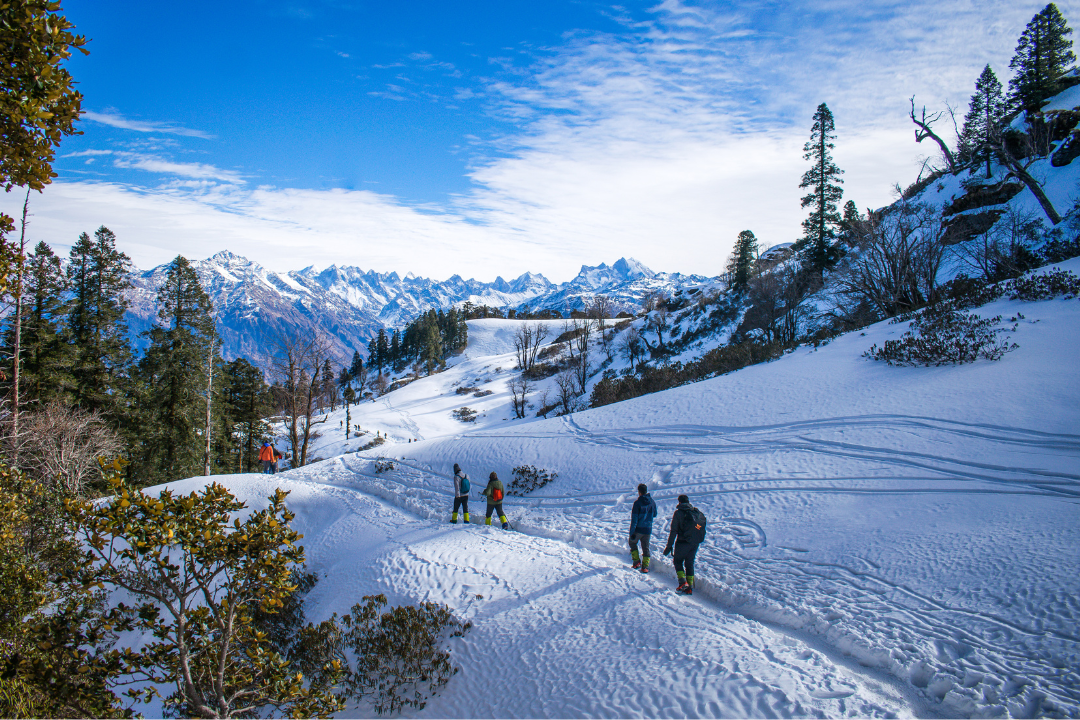
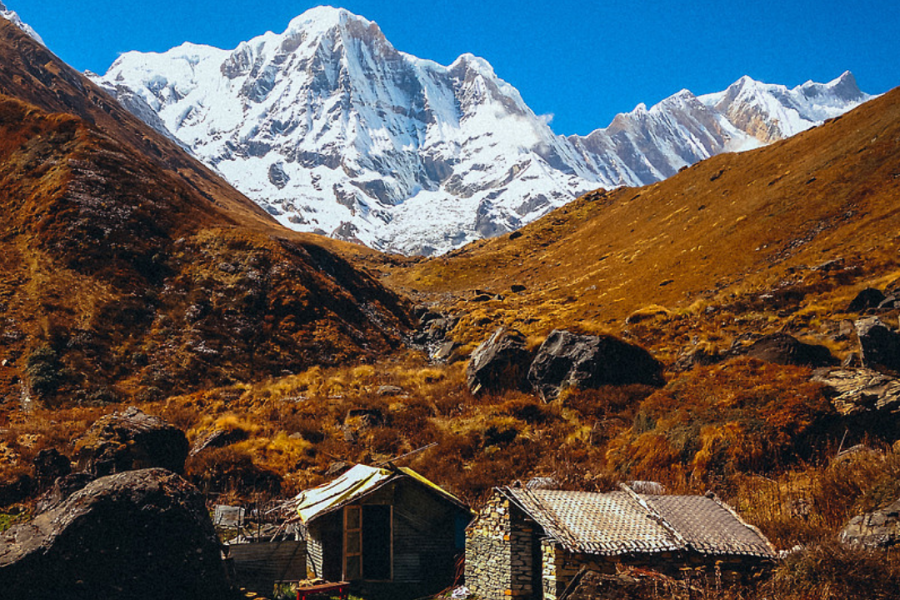
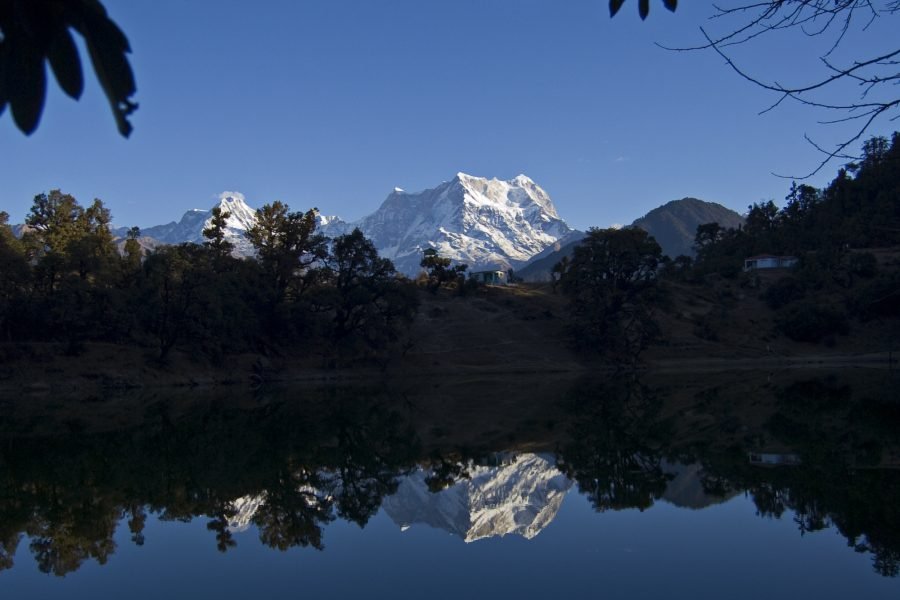
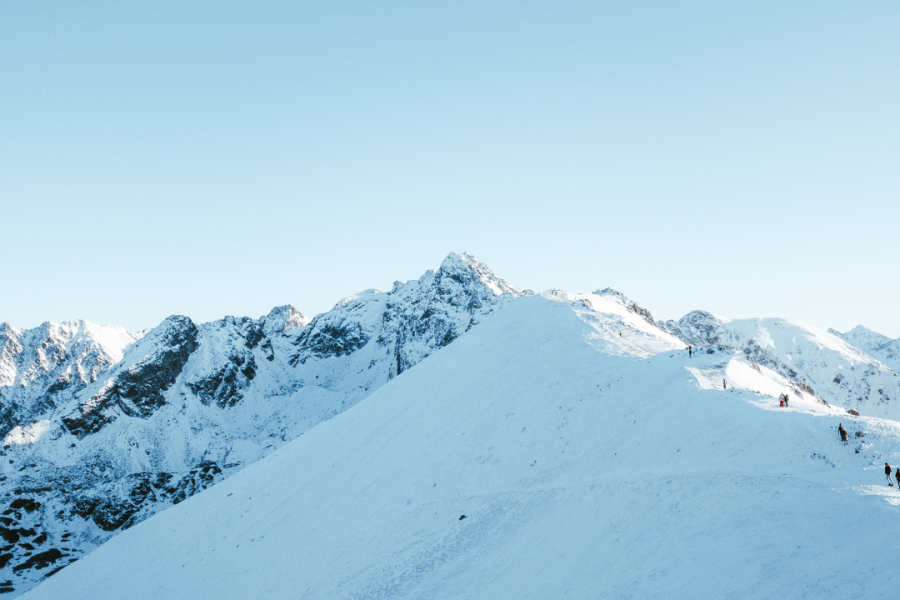
As the trek progresses, trekkers are rewarded with continuous views of iconic Himalayan peaks such as Nilkanth Peak, Chaukhamba Massif, Balakun Peak, and Swargarohini Range. The terrain becomes increasingly rugged after Lakshmi Van, transitioning into moraine zones and barren high-altitude landscapes that reflect the raw power of the Himalayas.
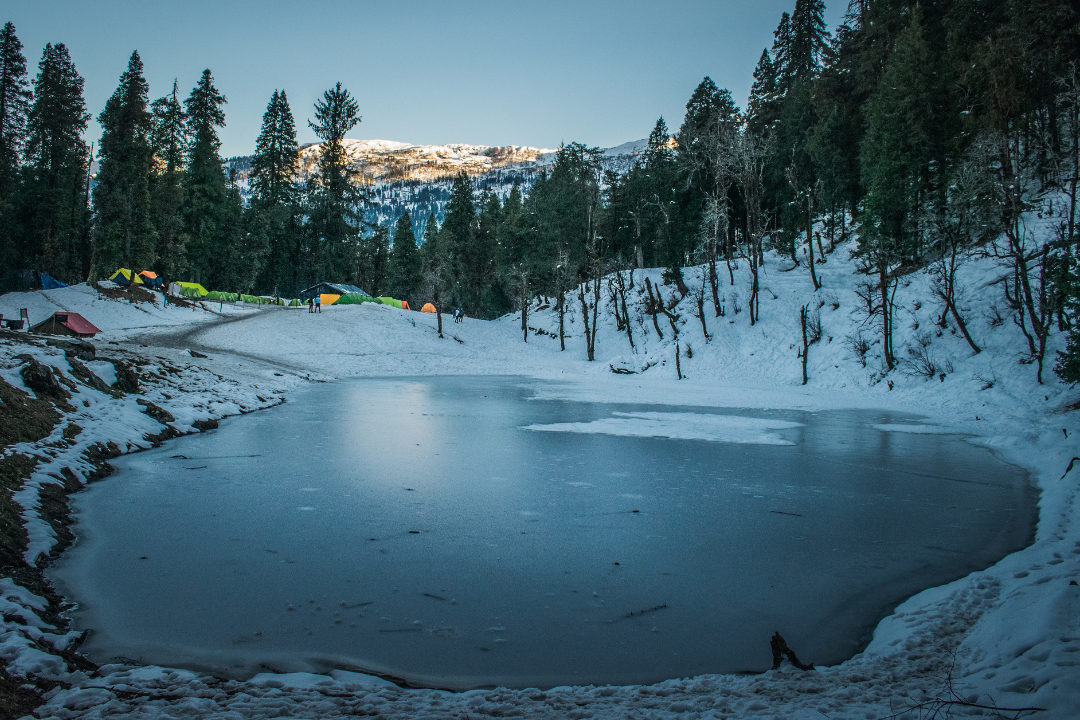
Campsites like Lakshmi Van and Chakratirtha serve as important acclimatization points and offer expansive views of snow-covered peaks and vast valleys.
Trekking Experience and Difficulty
The Satopanth Lake trek is classified as moderate to difficult, primarily due to its high altitude, long walking hours, and limited evacuation options. Proper acclimatization, physical fitness, and prior trekking experience are strongly recommended.
Unlike popular trekking destinations in Uttarakhand, this route remains largely free from crowds. Trekkers often walk for hours without encountering other groups, making it ideal for those who prefer quiet, introspective trekking experiences over social trails.
Best Time to Do the Satopanth Lake Trek
The best time for the Satopanth Lake trek in Uttarakhand is:
May to June (post-winter, stable weather, snow on higher reaches)
September to October (clear skies, crisp air, excellent mountain views)
The trek is not advisable during the monsoon season due to landslides and river crossings, or during peak winter due to extreme snow and inaccessible routes.
Why Satopanth Lake Trek Is Unique
What sets the Satopanth Lake trek apart is its rare combination of spiritual significance, high-altitude adventure, and pristine wilderness. The trek does not focus on commercial comforts or dramatic summit achievements. Instead, it offers something deeper—silence, scale, and perspective.
Standing beside the still waters of Satopanth Lake, surrounded by towering Himalayan giants, trekkers experience a sense of humility that few destinations can offer. It is a journey that stays with you long after the trail ends.
The journey begins from Dehradun, following the winding roads of the Garhwal Himalayas. The drive traces the course of the Alaknanda River, moving through Devprayag, Rudraprayag, and Joshimath—each town steeped in mythology and history.
By evening, you arrive at Badrinath. After check-in, spend time acclimatizing and visiting the Badrinath Temple.
Overnight: Guesthouse / Hotel in Badrinath
Meals: Dinner
Distance: ~8 km ; Duration: 5–6 hours ; Altitude: ~3,700 m (12,140 ft)
The trek begins from Mana village. The trail gradually ascends along a well-defined pilgrim path used historically by sages and ascetics. Walk through Lakshmi Van, a meadow surrounded by towering cliffs. The presence of Nilkanth Peak is constant, dominating the skyline. Evening light paints the landscape in dramatic hues as temperatures begin to drop.
Overnight: Campsite at Lakshmi Van
Meals: Breakfast, Lunch, Evening Snacks, Dinner
Distance: ~6 km ; Duration: 4–5 hours ; Altitude: ~4,000 m (13,120 ft)
The trail becomes more rugged, following the glacial valley of the Alaknanda.
The landscape grows increasingly austere—green meadows slowly give way to moraine zones and rocky terrain. You may spot blue sheep (bharal) grazing on distant slopes or Himalayan birds soaring overhead.
By afternoon, reach Chakratirtha, a natural amphitheater-like campsite surrounded by high ridges. This location is believed to be where Lord Vishnu rested during his meditative journey.
Overnight: Campsite at Chakratirtha
Meals: Breakfast, Lunch, Evening Snacks, Dinner
Distance: ~6 km (round trip) ; Duration: 5–6 hours ; Altitude: 4,600 m (15,100 ft)
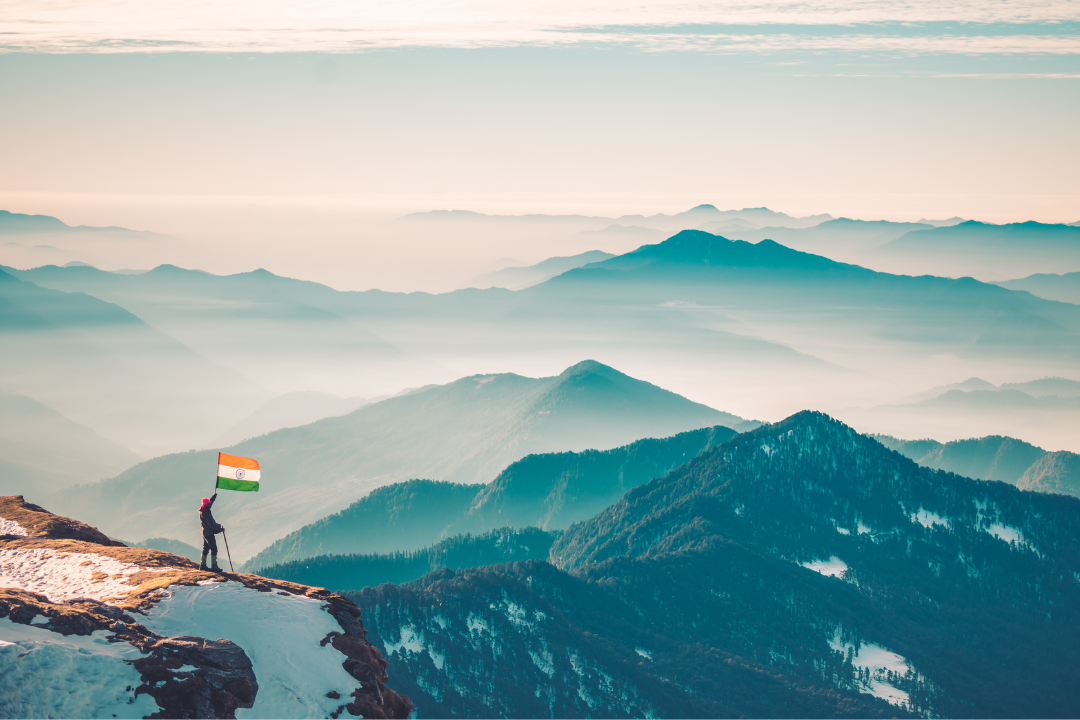
This is the most significant and demanding day of the trek. The trail climbs gradually across rocky ground, with minimal vegetation. The surrounding peaks—Balakun, Satopanth, and Chaukhamba massif—create an imposing Himalayan panorama.
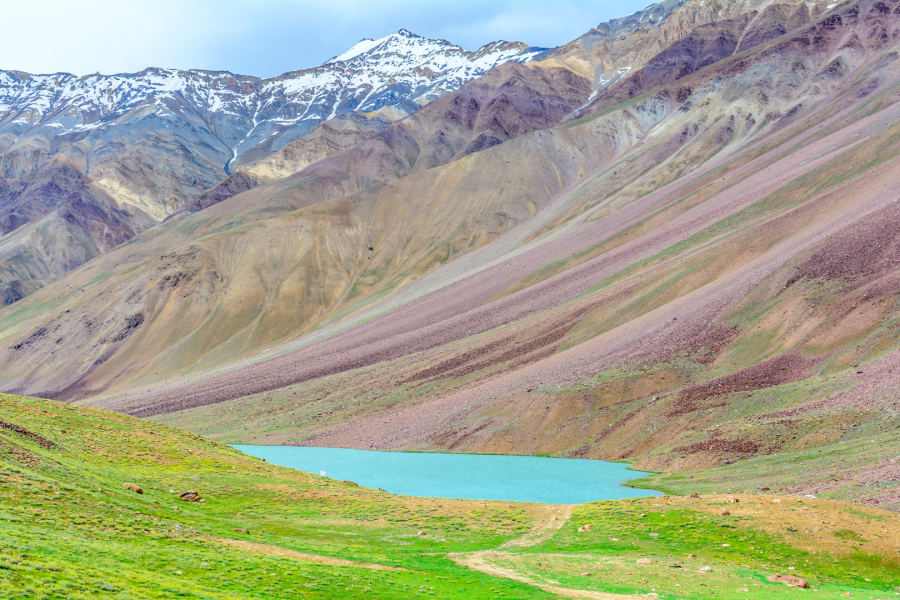
By late morning, you arrive at the serene Satopanth Lake, a crystal-clear triangular glacial lake. The lake represents the holy trinity—Brahma, Vishnu, and Mahesh—and is guarded by mythical beings. The silence here is profound, broken only by wind and distant ice movement.
After spending quiet time at the lake, soaking in the spiritual and visual experience, you retrace your steps back to Chakratirtha.
Overnight: Campsite at Chakratirtha
Meals: Breakfast, Lunch, Evening Snacks, Dinner
Distance: ~14 km ; Duration: 6–7 hours ; Altitude: 3,100 m (10,170 ft)
The return journey follows the same route downhill. Descending offers a fresh perspective on the valley, with expansive views opening up at every turn. As you approach Mana and Badrinath, the landscape slowly transitions back to alpine meadows and riverbanks.
Overnight: Guesthouse / Hotel in Badrinath
Meals: Breakfast, Lunch, Evening Snacks, Dinner
Distance: ~320 km ; Driving Time: 10–12 hours
After an early breakfast, begin the long drive back to Dehradun. The journey provides time to reflect on the trek— its challenges, and its rare blend of adventure and spirituality.
Arrive at Dehradun by late evening, marking the end of the journey.
Meals: Breakfast
There are a number of buses going daily from Kashmiri Gate, Delhi to ISBT, Rishikesh. Last bus is at 11 pm. It takes 4:30 hours to reach Rishikesh. Our representative will receive you at Rishikesh. If you are a group, please contact us for budget-friendly transfer deals.
Yes, definitely. Simply WhatsApp on +91 7811998989 to reserve a slot.
| # | Discount group | From adult | To adult | Value |
|---|

Member Since 2023




Leave a review